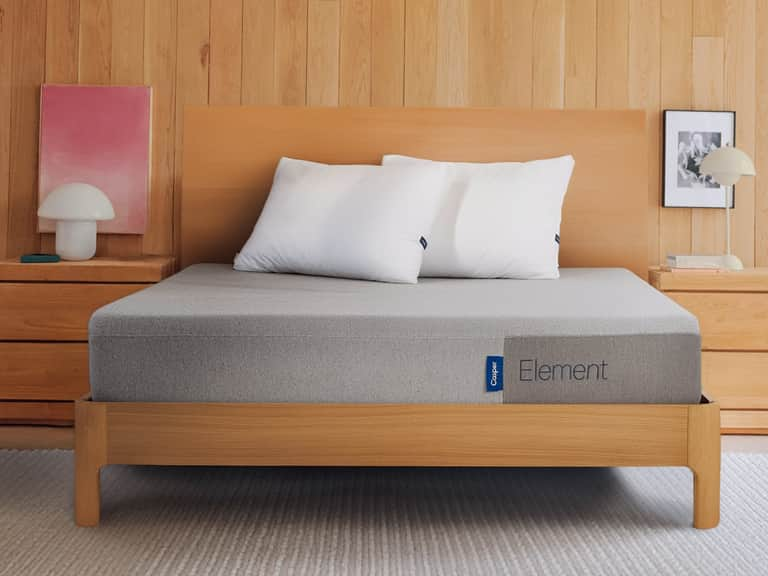
Foam mattresses are a popular choice in modern bedding for their contouring support and pressure relief. Depending on density and layering, they can provide varying degrees of firmness, motion isolation, and breathability. Understanding memory foam, polyurethane foam, and transition foams helps readers evaluate comfort targets for different sleeping styles.
The Original Mattress typically emphasizes balanced support with zoned or multi-density foam layers, promoting spinal alignment and reduced partner disturbance. Key features often include durable transition foams, open-cell structures for airflow, and a removable cover. These attributes support healthy sleep posture and long-term durability in a foam mattress.
The Element Mattress offers design variations that may prioritize enhanced conformity, edge support, and cooling properties. Common functional benefits include targeted pressure relief for hips and shoulders, improved heat dissipation through breathable foams, and a stable base layer that maintains shape under load. Such specifications aid in selecting a mattress that aligns with sleeping position needs.
When assessing foam mattresses, consider cover materials, thickness of comfort layers, and the overall density profile, as these influence temperature regulation and contour response. Organic mattress options within this category emphasize natural materials and reduced chemical emissions, contributing to indoor air quality and long-term comfort for sensitive sleepers.
In the context of bedding accessories like pillows, sheets, and organic crib mattresses, foam mattress selection complements a holistic approach to sleep surfaces. Meta keywords such as bedding, pillows, sheets, organic mattresses, and organic crib mattresses reflect the interdisciplinary relevance of foam-core products to overall sleep health and comfort.
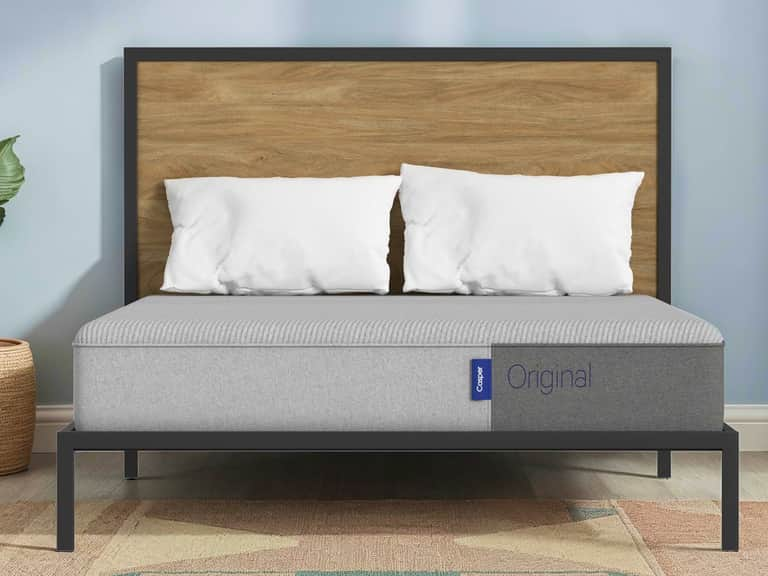 Mattresses