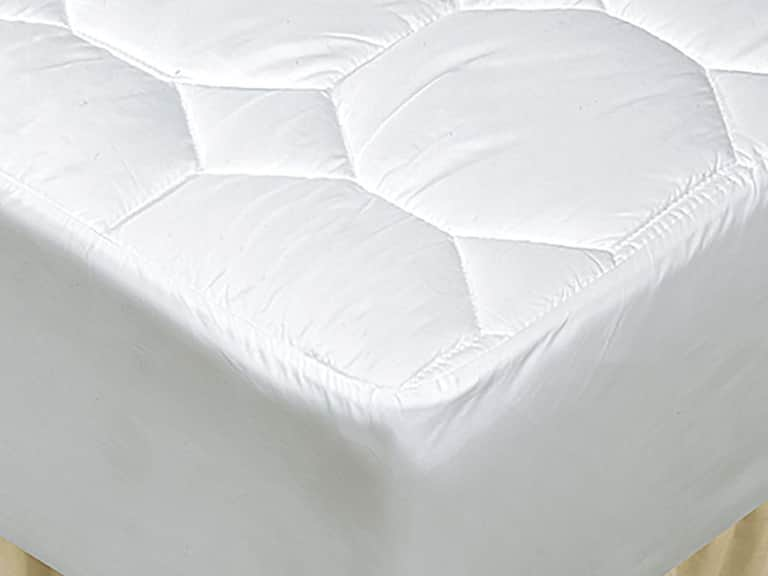
DownTown Company Luxury Cotton Mattress Pad

A Practical Guide to Choosing Eco-Friendly Bedding: Material, Safety, and Care

Exploring how to select bedding that supports a clean, healthy sleep environment, this article dives into materials, certifications, and practical care tips to minimize toxins while maximizing comfort. Drawing on historical perspectives and modern science, we illuminate how everyday choices become long-term health investments.

Introduction: Why Eco-Friendly Bedding Matters

In a world where sleep is increasingly valued as a health imperative, the materials that meet our skin at night matter more than ever. Eco-friendly bedding is not merely a trend; it represents a set of choices that prioritize non-toxicity, durability, and environmental stewardship. Certifications act as guideposts, helping consumers navigate a market crowded with claims and branding. This article synthesizes current guidance with historical perspectives on materials science, hygiene, and safe sleep practices.

The domain of our inquiry—thecleanmattress.net—invites readers to consider a simple but powerful premise: a cleaner mattress begins with cleaner bedding. From organic cotton to natural latex and responsibly sourced wool, we examine how each material behaves in real-world use, what certifications truly mean, and how to care for your purchases so they stay safe and comfortable for years.

Materials: Organic Cotton, Natural Latex, and Wool

The modern bedding landscape offers a spectrum of options, each with distinct benefits and trade-offs. Three prominent materials—organic cotton, natural latex, and wool—top the discussion for their performance, comfort, and eco-credentials.

Organic Cotton

GOTS-certified organic cotton delivers a soft, breathable surface with reduced chemical exposure. Organic cotton fabrics are gentle on sensitive skin and support moisture management, which can contribute to a cooler, drier sleep surface.

Key traits: chemical-free processing, high thread count options, easy care.

Natural Latex

Latex offers responsive support with good durability and inherent breathability. When sourced from responsible plantations, it aligns with a low-toxicity profile and long lifespan for bedding components.

Key traits: durability, contour support, sustainability considerations.

Wool

Wool naturally wicks moisture and exhibits antimicrobial properties. A wool topper or mattress pad can regulate temperature passively, helping to reduce nighttime overheating and sweating.

Key traits: moisture management, warmth in winter, coolness in summer.

Certifications: Reading the Label Like a Sleep Scientist

Certifications act as a trusted bridge between marketing and science. When evaluating bedding, look for labels such as GOTS (Global Organic Textile Standard), MADE SAFE, and GREENGUARD Gold. These marks signal adherence to environmental and health standards that matter for a clean sleep environment. However, certifications are not a universal passport; buyers should understand what each label covers and verify that it aligns with their priorities—organic content, chemical safety, or broader environmental impact.

The practical value of certifications lies in transparency and reproducibility. A GOTS-certified product, for instance, implies a certain level of organic content and a restricted set of processing chemicals. GREENGUARD Gold adds an emphasis on low chemical emissions for indoor air quality. By contrast, a label that simply says “organic” without certification provides less assurance. The takeaway: reward clarity and corroboration, not just good marketing.

Care Tips: Keeping Bedding Clean Without Compromising Comfort

Proper care is the quiet engine of eco-friendliness. Clean, well-maintained bedding reduces allergen load, preserves fabric integrity, and sustains a healthier sleep environment. Here are practical routines designed for busy households.

  • Wash organic cotton bedding at a gentle cycle with mild, non-toxic detergent. Avoid bleach and fabric softeners, which can degrade fibers and reduce breathability.
  • Follow manufacturer depth guidelines for fitted sheets and protectors. Deep pockets and elastic corners prevent shifting, maintaining a neat, hygienic surface.
  • Rotate and launder pillow protectors and mattress pads regularly. A high-quality mattress pad—such as the Downtown Company Luxury Cotton Mattress Pad, known for its breathable fill and durability—offers a practical layer that can prolong mattress life and maintain a clean sleeping surface.
  • Air out textiles when possible to reduce moisture buildup, especially in damp climates. Sunlight can help refresh natural fibers, though avoid prolonged sun exposure on delicate fabrics.
  • Store off-season textiles in breathable, sealed containers to minimize dust and maintain allergen control.

A note on prevention: protective covers that encase the mattress and pillows reduce the ingress of dust mites, spills, and allergens. Choose encasements with waterproof or breathable layers depending on your needs. The material choice matters—organic, low-toxicity options align with an eco-friendly bedding strategy.

Three Key Thinkers Across Time: Perspectives on Sleep, Hygiene, and Comfort

Hypnos of Ancient Greece (c. 5th century BCE)

In myth and ritual, Hypnos embodies the sanctity of rest. Though not a scientist by modern standards, his association with peaceful sleep underscores a cultural recognition: the quality of rest is inseparable from the conditions around it. The idea that a clean, calm sleep environment contributes to restorative sleep traces a lineage—one that informs contemporary concerns about fabric purity and room hygiene.

Florence Nightingale (1820–1910)

Nightingale’s emphasis on sanitary conditions in hospitals laid the groundwork for modern hygiene science. While she operated in a different era, her insistence on cleanliness and environmental controls echoes in today’s bedding standards: reducing microbial load, using cleanable textiles, and designing environments that support healthful sleep.

Modern Materials Scientist: Dr. Jane Goodall (b. 1934)

Though best known for primatology, Goodall’s broader advocacy for sustainable, toxin-free living intersects with bedding choices. Her work reminds us that the materials we bring into our homes—from cotton to wool to latex—carry ecological footprints and human health implications that endure through generations. This perspective informs the current emphasis on certifications and transparent supply chains.

A Product Spotlight: The Downtown Company Luxury Cotton Mattress Pad

Downtown Company Luxury Cotton Mattress Pad

Downtown Company Luxury Cotton Mattress Pad

Price: $458.00

Crafted for elevated comfort and everyday durability, this mattress pad features a plush 100% cotton fill with a cotton-blend honeycomb quilted cover. It offers breathable softness, 18" deep pockets for a secure fit, and easy care. Made in Austria, it represents a refined balance of luxury and practicality—an ideal example of how eco-friendly materials can deliver everyday elegance.

The pad’s machine-washable design makes maintenance convenient for busy households, while its breathable construction supports temperature regulation—a key factor in achieving consistent, healthy sleep. For readers prioritizing durability, comfort, and a non-toxic approach to bedding, this product demonstrates how high-quality materials can align with eco-conscious values.

Practical Takeaways and Next Steps

Eco-friendly bedding is a practical framework for reducing toxins while enhancing comfort. By prioritizing materials with transparent certifications, implementing sensible care routines, and selecting protective layers that balance breathability and protection, readers can build a sleep environment that supports health long-term.

  • Prioritize textiles with credible certifications (e.g., GOTS, GREENGUARD Gold) and verify their scope relative to your concerns.
  • Choose bedding materials that align with your climate and sleep preferences—organic cotton for breathability, natural latex for contour support, wool for temperature regulation.
  • Incorporate a washable mattress pad or protector to extend mattress life and simplify cleaning without sacrificing comfort.
  • Establish a seasonal rotation and wash schedule to minimize allergen buildup and maintain a fresh sleeping surface.

As The Clean Mattress discipline suggests, a clean mattress begins with clean bedding and thoughtful maintenance. The path to better sleep starts with the small decisions—what you wear to bed, how you wash it, and how you care for your environment—that accumulate into a healthier night’s rest.

Published: September 30, 2026. This guide reflects ongoing research in eco-friendly bedding and consumer safety, with practical recommendations suitable for homeowners and renters alike.

Related Products

DownTown Company Luxury Cotton Mattress Pad

DownTown Company · No. CP

DownTown Company Luxury Cotton Mattress Pad

Experience breathable, softly cushioned comfort with a secure, smooth fit that stays put all night. Luxuriously cotton, easy care, and timeless elegance made in Austria for lasting durability and easy, fresh sleep.
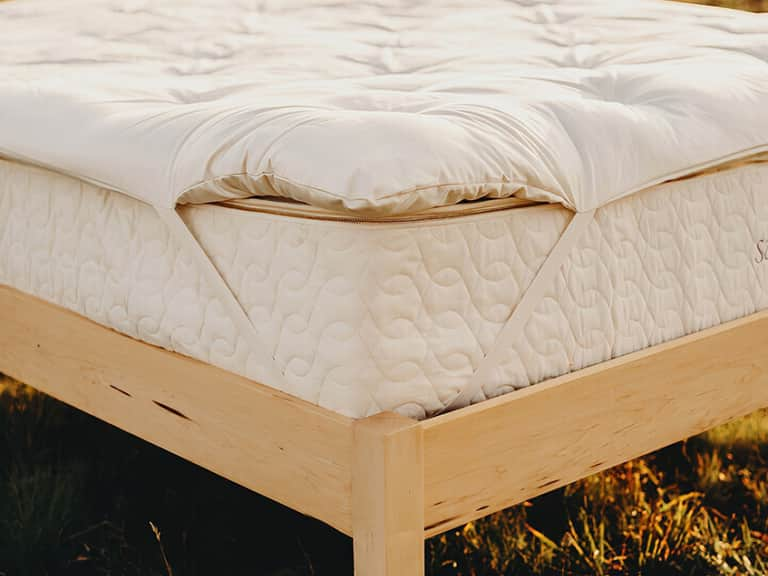
Savvy Rest Natural Savvy Woolsy Mattress Topper

Savvy Rest · No. SAVVYREST-NATURAL-SAVVY-WOOLSY-3.5INCH

Savvy Rest Natural Savvy Woolsy Mattress Topper

Drift into a cooler, calmer sleep with the Woolsy Topper: plush natural wool for pressure relief, moisture-wicking comfort, and antimicrobial benefits, all wrapped in organic cotton. Keeps you warm in winter, cool in summer, and reduces tossing and turning.
Metal Bed Frame

Casper

Metal Bed Frame

Effortless, tool-free setup in minutes with a sturdy frame built from 100% recycled steel, delivering reliable support for any Casper mattress. Pair it with Casper foundations for a seamless, durable sleep setup that’s kind to the planet.

Theme